Guide to Hosting a Live Music Evening
Hosting a live music evening can be a rewarding experience that brings together community members and supports local artists. This guide will provide you with practical insights and industry best practices to help you organize a successful event.
Understanding the Basics
To begin with, it’s important to understand that hosting a live music evening typically involves several key components, including selecting the right venue, choosing artists that resonate with your audience, and creating a welcoming atmosphere. According to research by the National Endowment for the Arts, live music events can enhance community engagement and foster social connections.
"Live music has a unique ability to bring people together, creating memorable experiences and strengthening community ties." - National Endowment for the Arts
Planning Your Event
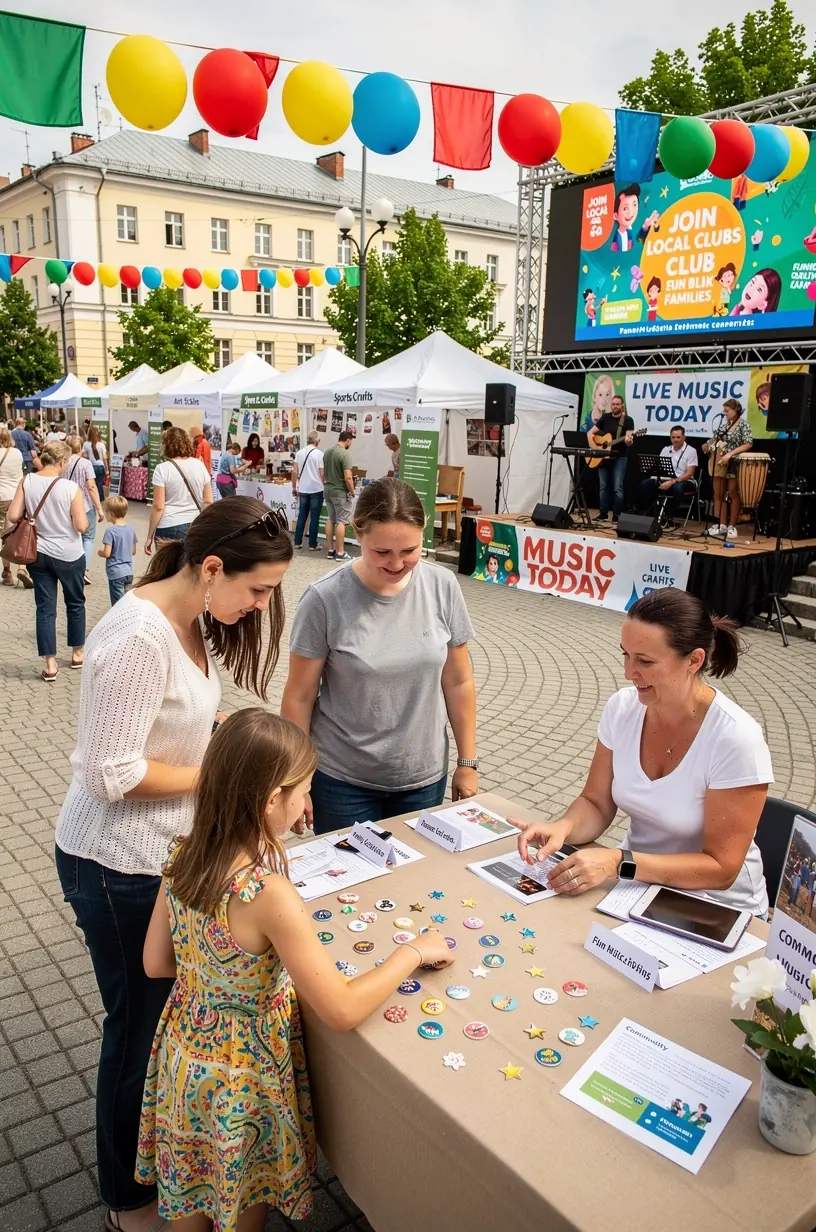
- Venue Selection: Choose a venue that suits the size of your audience. Popular options include community centers, local cafes, or parks. Many users report that outdoor venues can create a relaxed atmosphere but may require contingency plans for weather-related issues.
- Artist Selection: Research local musicians or bands that align with your community’s preferences. Experts recommend reaching out to local music schools or artist collectives, which often have a roster of performers looking for opportunities.
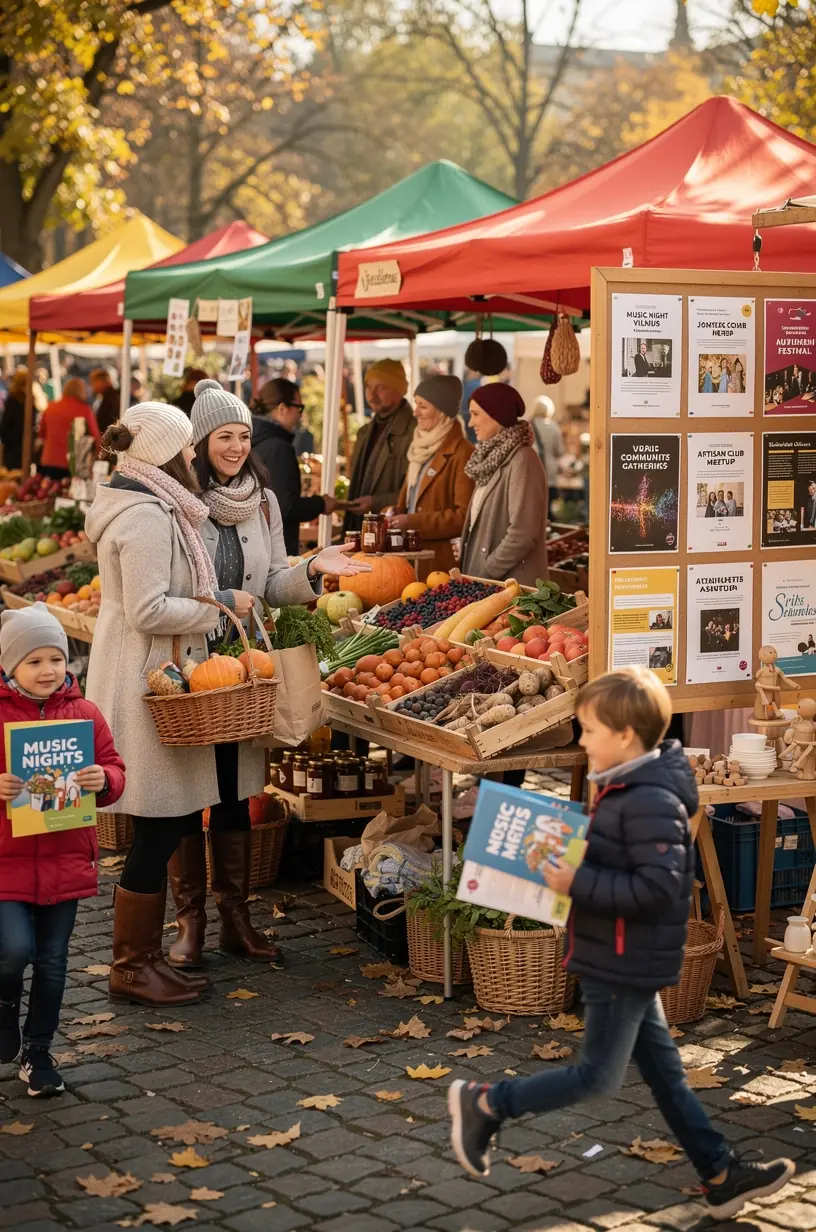
- Marketing Your Event: Utilize social media platforms and local bulletin boards to promote your event. Industry best practices suggest starting your marketing efforts at least 4-6 weeks prior to the event date to maximize attendance.
Executing the Event
When the day of the event arrives, consider the following tips to ensure everything runs smoothly:
- Sound Check: Schedule a sound check ahead of the event to ensure the audio equipment is set up correctly. This typically takes 1-2 hours, depending on the complexity of the setup.
- Welcoming Attendees: Create an inviting atmosphere by setting up seating arrangements, decorations, and refreshments. Many hosts find that offering light snacks or drinks can enhance the experience for attendees.
- Engagement Activities: Consider incorporating interactive elements, such as Q&A sessions with the performers or audience participation segments. This can make the event more engaging and memorable.
Post-Event Considerations
After the event, take time to reflect on the experience and gather feedback:
- Collect Feedback: Encourage attendees to share their thoughts on the event. This can help you understand what worked well and what could be improved for future events.
- Thank the Artists: Show appreciation to the performers by sending thank-you notes or offering payment promptly. Acknowledging their contribution can help build lasting relationships.
- Document the Experience: Capture photos and videos during the event, which can be shared on social media or your community platform to promote future events.
Conclusion
Hosting a live music evening can be a fulfilling endeavor that enhances community spirit and supports local talent. By following these practical insights and industry best practices, you can create an event that not only entertains but also fosters connections among community members. Remember, the success of your event often hinges on careful planning and the ability to adapt to any challenges that may arise.
Learn More