Understanding Local Event Planning Strategies
Planning local events can be a rewarding yet challenging endeavor. This article explores effective strategies for organizing community gatherings, providing practical insights that can help individuals and groups optimize their event planning efforts.
Understanding the Basics of Event Planning
Event planning typically involves a series of steps that must be carefully coordinated to ensure success. According to industry experts, the foundation of effective event planning lies in understanding the target audience, setting realistic goals, and establishing a clear timeline. These steps are crucial because they help define the scope of the event and guide decision-making throughout the planning process.

"Successful events usually stem from thorough planning and a clear understanding of what the audience values most."
Key Strategies for Successful Event Planning
When organizing local events, several strategies can enhance effectiveness:
- Define Your Objectives: Establish clear goals for what you want to achieve with the event. Research indicates that having defined objectives can increase the likelihood of successful outcomes.
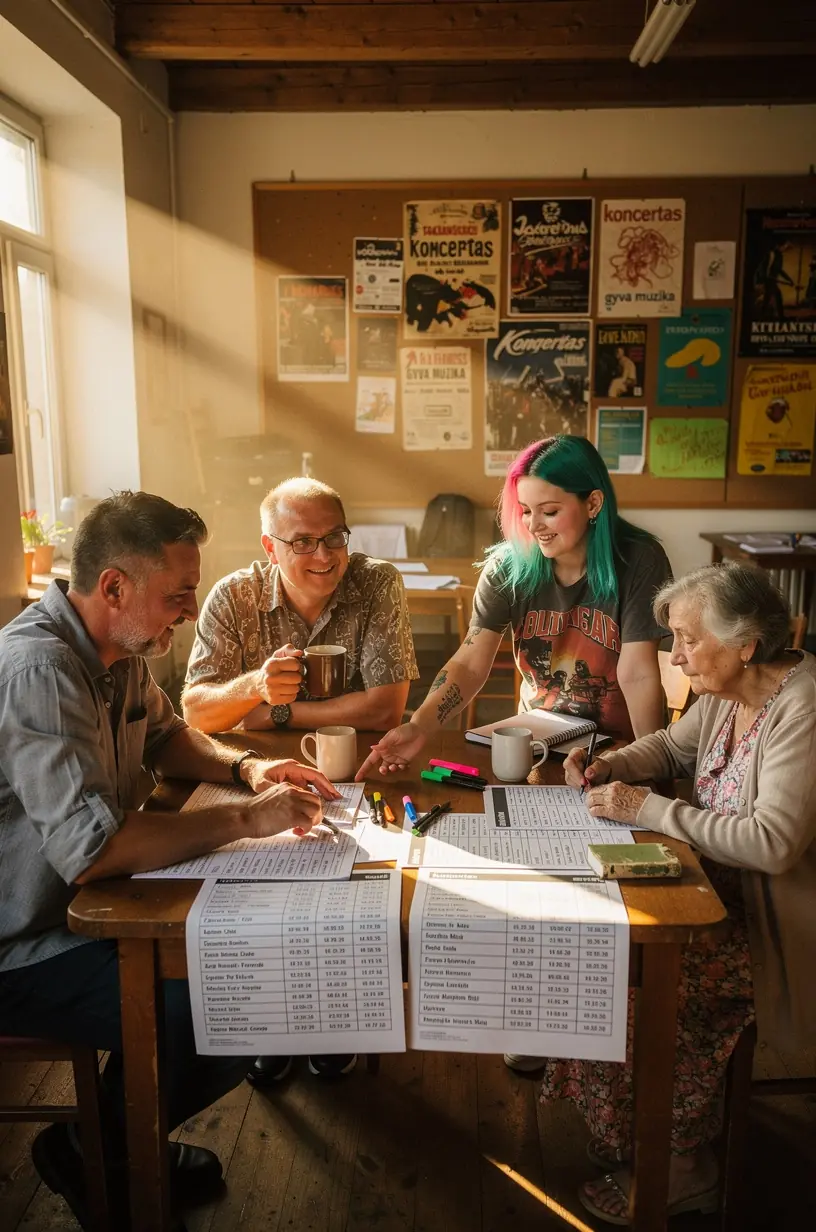
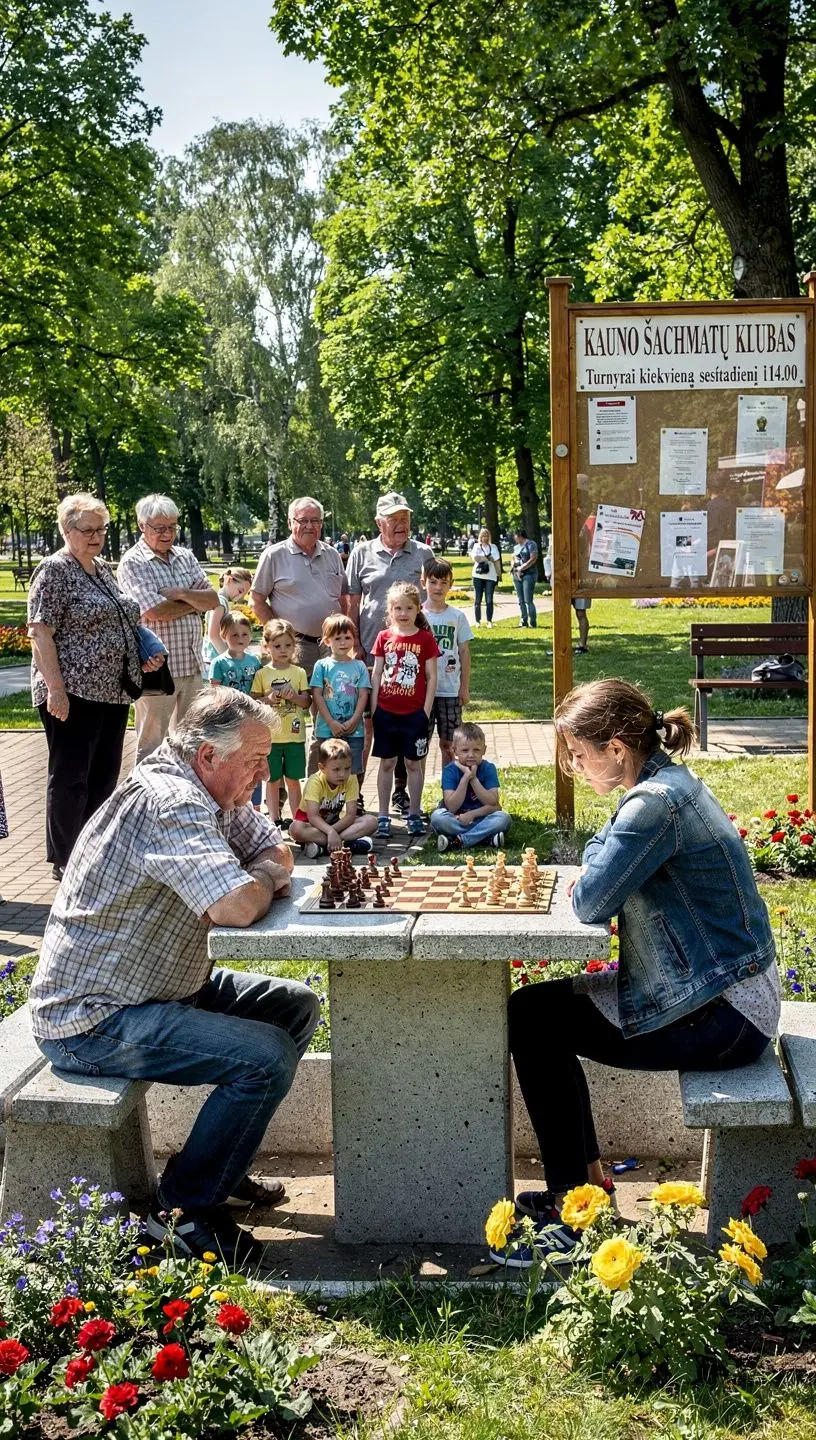
- Engage the Community: Actively involve local residents and groups in the planning process. Studies show that community engagement can lead to higher attendance and more vibrant events.
- Utilize Digital Tools: Employing software for scheduling and managing events can simplify logistics. Many organizers report that using digital platforms streamlines communication and enhances efficiency.
Practical Application of Event Planning Strategies
Implementing these strategies involves a step-by-step approach:
- Conduct Research: Investigate community interests and preferences. Surveys can be a useful tool for gathering feedback, as they often inform decisions about event themes and formats.
- Create a Detailed Plan: Outline every aspect of the event, from the venue to promotional strategies. This plan should include timelines, budgeting, and responsibilities. Many experts recommend a timeline of at least 6-8 weeks for comprehensive planning.
- Promote the Event: Utilize social media, local newspapers, and community boards to reach your audience. Effective promotion can significantly enhance turnout and engagement.
Acknowledging Limitations and Challenges
While these strategies can be effective, it’s essential to recognize the limitations involved. Organizing an event typically requires considerable time and effort. According to surveys, many organizers report that the process can be time-consuming, often taking several weeks to finalize details and secure necessary permits. Additionally, it may involve a learning curve, especially for those new to event planning.
Conclusion
Understanding local event planning strategies can significantly enhance the chances of hosting successful community gatherings. By focusing on objectives, engaging the community, and utilizing digital tools, organizers can create meaningful experiences that resonate with attendees. However, it is crucial to set realistic expectations regarding the time and effort needed for effective planning. Ultimately, the goal is to foster a vibrant community spirit through well-organized events, paving the way for continued participation and enjoyment.
Learn More